Physical Address
304 North Cardinal St.
Dorchester Center, MA 02124
Physical Address
304 North Cardinal St.
Dorchester Center, MA 02124

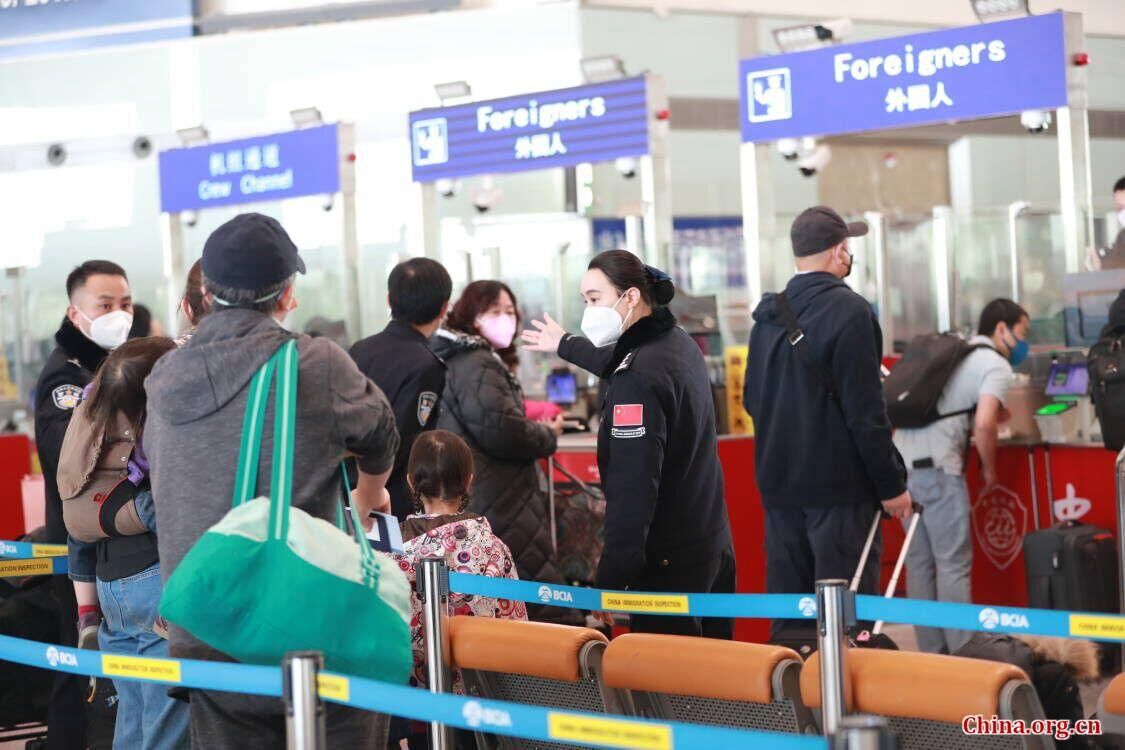
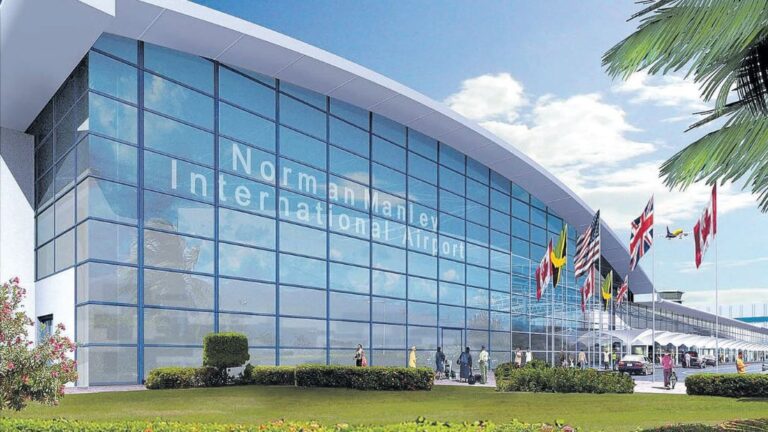
Growing up on an Island in the Caribbean we learn at a young age that there is a bigger world beyond the borders of the beautiful oceans we often take for granted. In Jamaica where I am from, tourism is the main source of income for the country’s economy, and our communities are usually flooded with the signals. Those employed are most likely to be working at a local resort with dreams of either to win the lottery like opportunity to work on a Cruise Ship or Overseas hotel usually based in the United States of America. Therefore, as a child the idea of living overseas becomes the ambition of most individuals. At the age of 27 I got my first opportunity to migrate. However, to my surprise, there was a side of being an immigrant that only a lived experience could make you understand.
These are the five things I wish I knew prior to migrating.
The day you’ve been waiting for all your life has finally arrived. As you’re filled with joy and excitement, your family celebrate the glorious opportunity you’re fortunate to receive. However, once you arrive at your destination it’s like hitting a wall. On one hand you’re navigating a new country with excitement and the next you start feeling overwhelmed. It’s now time for you to adjust to an entirely new way of life. The food, customs, language and social norms are different from what you’re accustomed to.
2. ADJUSTMENT AND ACCEPTANCE PHASE
Survival skills from your home country kick in and you finally start to adjust to the new world. Life is starting to feel a bit more tolerable as you create a routine. Thanks to the invention of technology, you gain comfort from your family and friends living back home or in a different geographical location. Being at work you usually speak the language of the country and even though it’s sometimes the official language of your home country, you often must force an accent, or people won’t clearly understand when you speak. Once you’re not working you feel relaxed talking to your friends and family in your native tongue, which is more relaxing.
3. HOMESICKNESS PHASE
This stage is probably one of the most difficult to navigate as it hits you when you least expect it. Quiet often and more so when you least expect it, you get this deep longing for the familiar. You miss your family, friends, culture and the comfort of home. At times when you least expect it, you’re hit with emotional lows, you feel isolated, sad and anxious. There are also trigger moments such as music and social media reels that bring back memories.
4. GOING BACK HOME TO VISIT
There is nothing more excited for an immigrant than the opportunity to go back home to visit especially after a long period of living overseas. Every immigrant knows the feeling of landing in your home country. The ambiance is unexplainable, and if words should be used to describe same, the moment when the airplane lands you immediately feel calm and relaxing energy. Usually, family are waiting outside to pick you up and then off you go into your comfort zone. The joy of eating some of your favorite dishes and local fruits that are in season reminds you how lucky you are to be born in your home country.
5. REVERSE CULTURE SHOCK
The saying is true, time flies fast when you’re having fun. As your time off from work draws closer you start to feel a mix of emotions – sadness, frustration and disconnection. Whilst in your home country you got back into your routine, but you start thinking, “wait, which life is mine?” You start to feel disconnected from the foreign country and get the feeling as if you’re an outsider again. On the other hand, you also realized some aspects of your home country no longer resonate with you. The frustration with the culture differences keeps you in the middle of two worlds. However, the dream of making a better life eventually keeps you grounded. As time goes on you find your happy place which turns out to be the best of both worlds.